Walking into a wine shop, or stepping into a cellar in the heart of Tuscany, is a thrill in itself. Bottles on the shelves tell stories of hillsides, medieval hamlets, and centuries-old traditions. But in front of a Chianti Classico label, a simple yet crucial question often arises: how do I truly understand what I’m drinking? Let’s break the code with Tuscany Uncorked.
Learning to read a label is not only about decoding technical details; it’s the beginning of a journey that brings together viticulture, terroir, and the culture of wine.
Chianti Classico: Not Just a Name, but a Precise Place
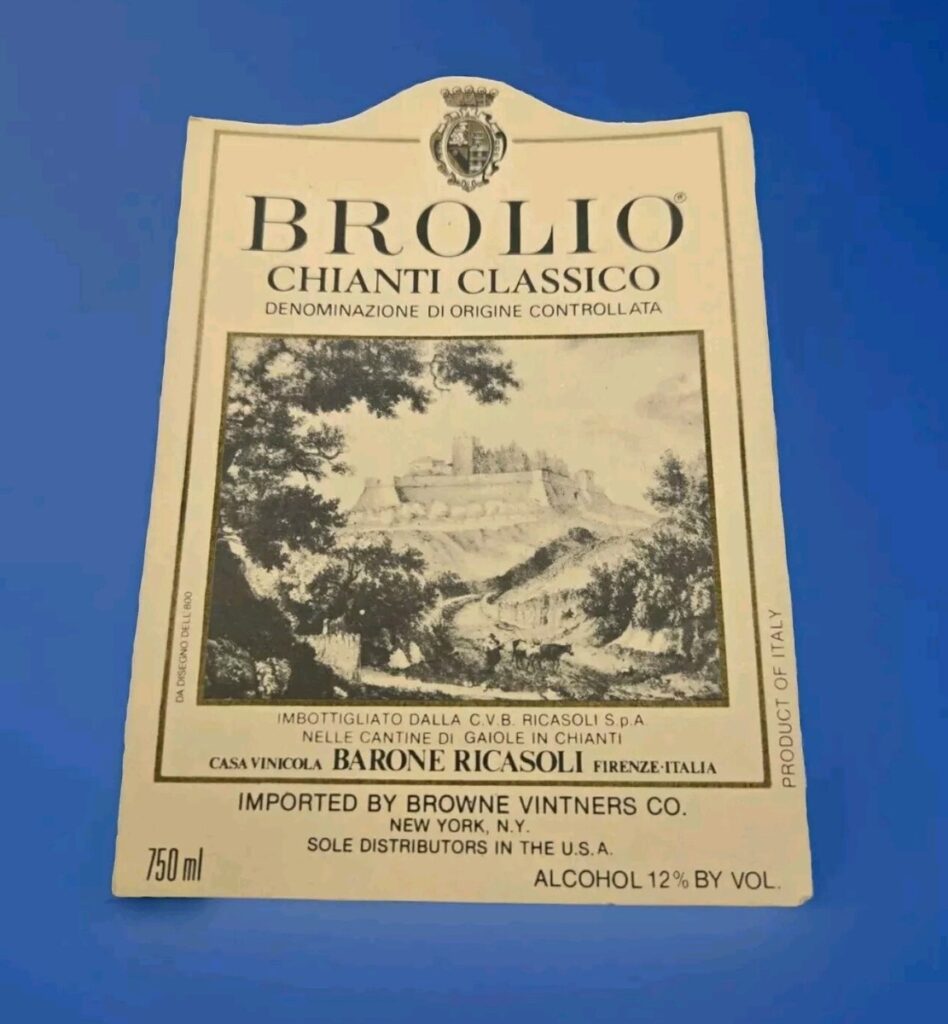
The first thing to look for on the front label or the back label is the wording Chianti Classico. This is not merely a wine style; it identifies a specific geographic area located between Florence and Siena, in the heart of Tuscany.
Chianti Classico is born on distinctive rolling hills marked by complex soils (notably galestro and alberese), varied elevations, and a climate that allows grapes to ripen slowly and fully. All of this shows up in the glass as wines that are elegant, fresh, and deeply tied to their place of origin.
The DOCG Strip: A Guarantee of Origin and Quality
Every bottle of Chianti Classico carries a DOCG strip around the neck, Denominazione di Origine Controllata e Garantita, the highest level in Italy’s quality classification.
DOCG is not just a badge; it is the outcome of a rigorous system of checks that ensures the wine complies with a precise production regulation (the disciplinare). In practical terms, when you see the DOCG strip, you can be sure that:
- the wine is produced exclusively within the Chianti Classico area and all grapes come from that zone;
- the winery follows the rules laid out in the disciplinare;
- the wine has been analyzed and tasted, and each vintage is approved by the consortium before release.
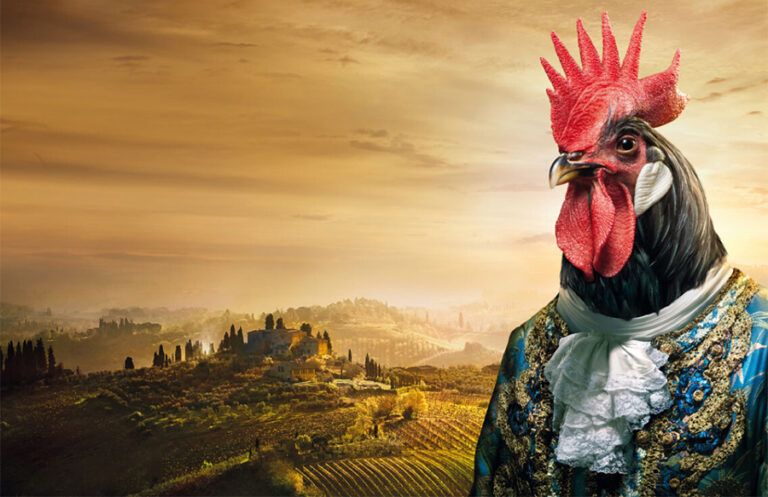
Another mandatory element on the label is the circular Black Rooster symbol (Gallo Nero), the historic emblem of Chianti Classico; together with the DOCG strip it guarantees the authenticity of the bottle you are drinking.
To dive deeper, read our article on the history of this symbol.

Sangiovese: Soul and Heart of Chianti Classico
You may or may not see the grape variety listed, but there is one certainty: the protagonist of Chianti Classico is Sangiovese.
By regulation, Sangiovese must make up at least 80% of the blend. It is one of Central Italy’s most significant varieties, capable of expressing red-fruit aromas, floral notes, and naturally high acidity, features that make these wines both age-worthy and food-friendly.
The remaining 20% may include other authorized, black grapes, only. Here is where the producer’s philosophy comes into focus.
Tradition and Modernity: Style in the Glass
On one side is the traditional approach, which uses native grapes such as Canaiolo (already present in Bettino Ricasoli’s famous 19th-century “recipe”), Colorino, or other authorized Tuscan varieties. These wines tend to emphasize freshness, finesse, and balance; they generally show a lighter color and highlight red-fruit and floral aromas. (Historically, Colorino was used to deepen color.)
On the other side is a more modern style that includes international grapes such as Merlot or Cabernet Sauvignon, which can add suppleness and structure. These wines often deliver deeper color and more intense aromatics: alongside classic red fruit you may find darker fruit tones and spicy notes.
In recent years, there has also been a rise in 100% Sangiovese Chianti Classico, a choice that seeks to spotlight the territory by connecting it even more directly to its most iconic grape.
Annata, Riserva, and Gran Selezione: Understanding the Quality Pyramid
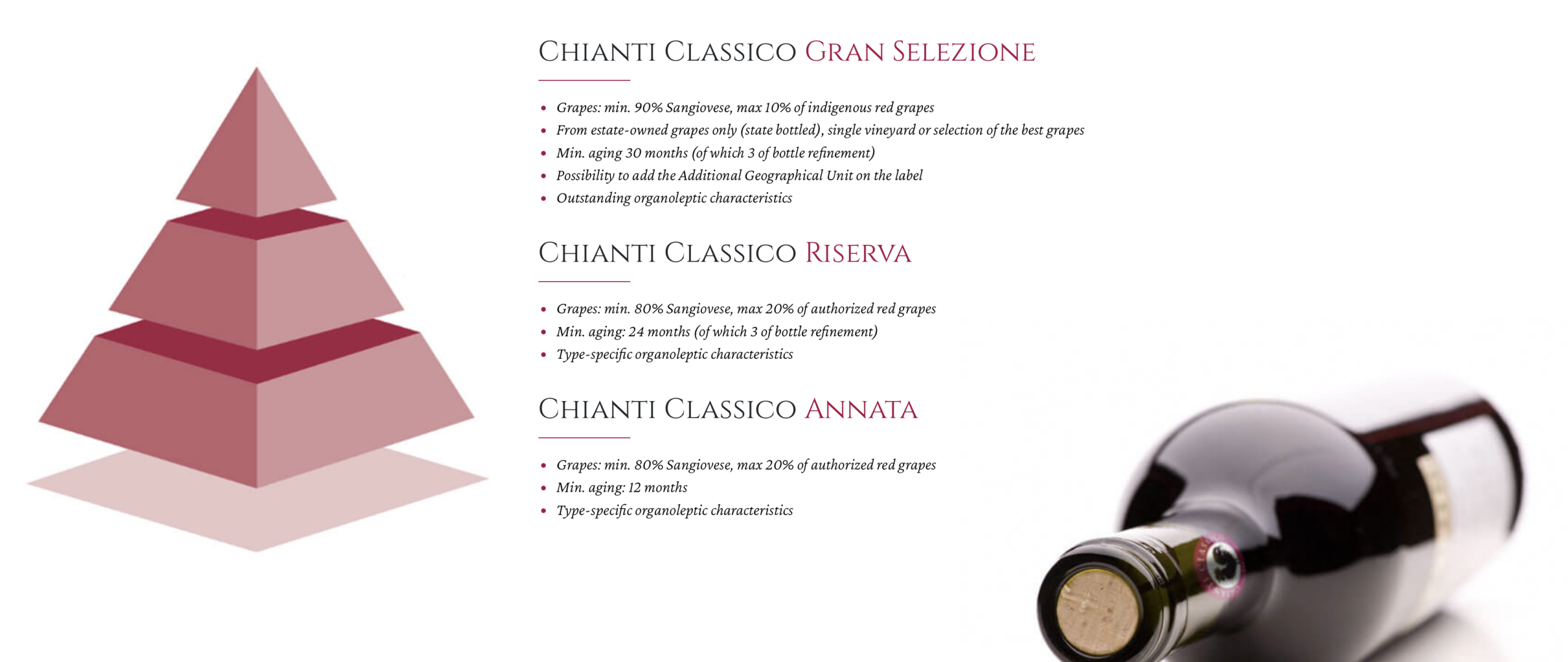
Another key element on the label is the mention Annata, Riserva, or Gran Selezione. Think of these three categories as a pyramid.
Chianti Classico Annata
This is the base of the pyramid and represents the majority of production. It requires at least 12 months of maturation before release.
In the glass you’ll typically see bright ruby color, aromas of cherry, plum, and violet, and a fresh palate with lively tannins. Annata is the most immediate and versatile Chianti Classico, ideal for everyday meals and pairings with Tuscan salumi, tomato-based pastas, and vegetarian dishes.
Chianti Classico Riserva
Riserva requires at least 24 months of maturation, part of which is mandatory in wood. Structure increases and the aromatic profile becomes more complex.
Alongside red fruit you may detect sweet spices, vanilla, and sometimes tobacco. Tannins are more mature and velvety, making this wine a natural fit for red meats and icons like Bistecca alla Fiorentina.
Chianti Classico Gran Selezione
At the top of the pyramid is Gran Selezione, introduced to elevate the denomination’s finest expressions. It follows a stricter rule set: a minimum of 90% Sangiovese (not 80%, as in Annata or Riserva), at least 30 months of maturation, and grapes exclusively from the winery’s own vineyards.
Gran Selezione is the most complex and profound style: beyond fruit and toasty nuances, it can show evolved aromas of leather, tobacco, and underbrush. Perfect for special occasions or for pairing with traditional Tuscan dishes such as peposo or ribollita.
Cellaring and Aging Potential
The label does not tell you this, but knowing how to store the wine is part of the experience. Chianti Classico bottles with cork stoppers should be stored horizontally, in the dark, at a cool, constant temperature.
As a general guide:
- Annata shows best within 3–5 years;
- Riserva can evolve positively for 10 years or more;
- Gran Selezione is built for long aging, up to 20 years.
With time, the wine’s overt fruit recedes and complexity grows, turning every bottle into a small lesson in evolution.
UGAs: The Additional Geographic Units of Chianti Classico
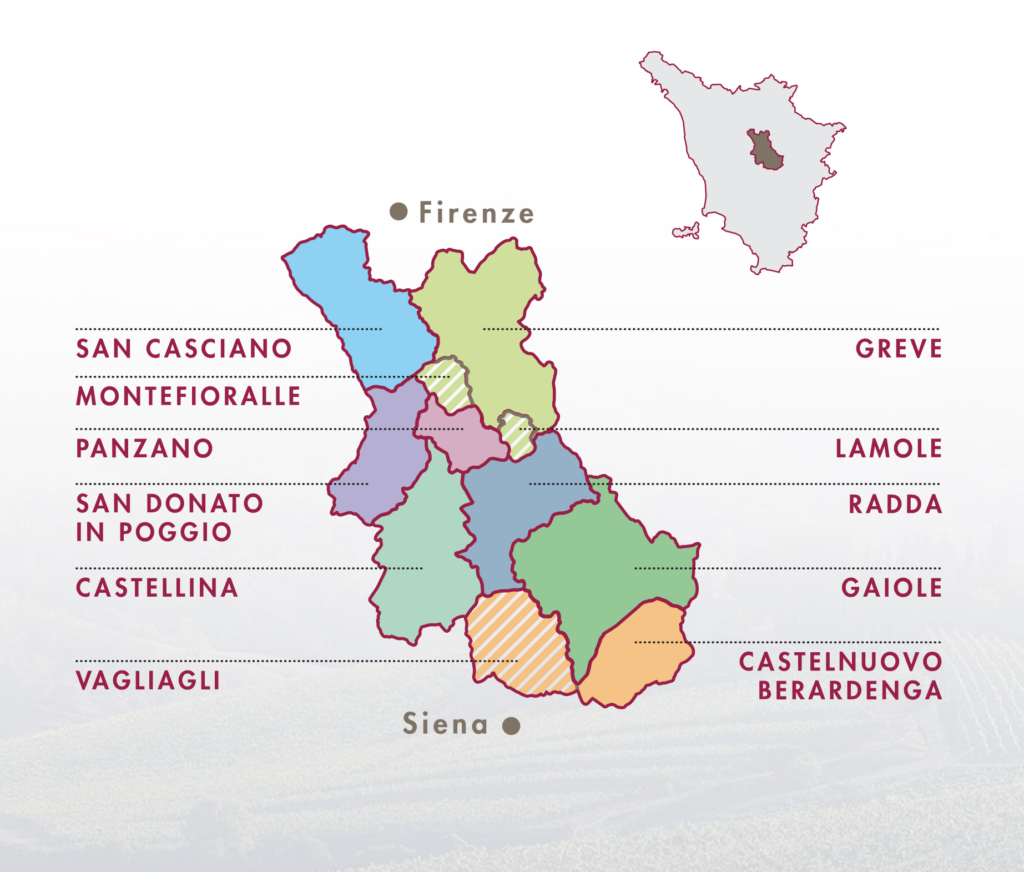
In recent years, you may have noticed new geographic names on some Chianti Classico labels. These are the UGA, Unità Geografiche Aggiuntive, a major step in highlighting the denomination’s terroir.
UGAs are official sub-zones introduced to recognize and communicate differences among production areas within Chianti Classico. The region is not homogeneous: hills, elevations, soils, and microclimates change significantly from one municipality to the next, directly influencing a wine’s style and character.
With UGAs, Chianti Classico is taking a step similar to that of other great wine regions, where an increasingly precise origin becomes a tool for quality, identity, and transparency.
UGAs identify well-delimited geographic areas that correspond to historic Chianti Classico communes or portions of them. There are currently eleven recognized Additional Geographic Units, including Gaiole, Radda, Castellina, Greve, Panzano, Lamole, San Casciano, Castelnuovo Berardenga, and others.
How UGAs Appear on a Chianti Classico Label
Crucially, UGAs do not replace the denomination Chianti Classico, they enrich it. The label will continue to feature “Chianti Classico Gran Selezione DOCG” to which the name of the Additional Geographic Unit can be added.
For example:
- Chianti Classico Gran Selezione DOCG – Radda
- Chianti Classico Gran Selezione DOCG – Panzano
It’s important to know that UGAs can appear only on Chianti Classico Gran Selezione wines. This is not accidental: Gran Selezione represents the denomination’s qualitative pinnacle and is the most appropriate level to express the deep link between wine and place.
For consumers, the presence of a UGA on the label is valuable information comparable, in conceptual terms, to a village or cru mention in other historic wine regions.
A Step Toward Chianti Classico’s Future
The introduction of UGAs marks a key moment in Chianti Classico’s evolution: a return to territorial roots, expressed in a modern, clear, and international language. It signals how the denomination is increasingly investing in quality, identity, and transparency. For anyone learning to read a label, UGAs add another layer of insight. For wine lovers, they are an invitation to explore. For visitors, they function as a compass to navigate the many nuances of one of Italy’s most iconic wine landscapes.
Common Mistakes When Reading a Chianti Classico Label
Even with the right information, it’s easy to misread certain clues. Here are some of the most frequent pitfalls:
Confusing Chianti with Chianti Classico. These are two different denominations, with distinct territories, regulations, and styles. The presence of the word “Classico” and the Black Rooster is essential.
Assuming “Riserva” automatically means “better.” In reality, it indicates a longer maturation; style and quality always depend on the producer and the vintage.
Believing older is always better. Not all Chianti Classico wines are meant for very long aging. Some shine in their youth, when fresh fruit is the star.
Overlooking the producer’s name. This is one of the most important elements for understanding style. Every estate interprets Chianti Classico in its own way and this diversity is precisely what makes the denomination so fascinating.
From Label to Landscape: Experiencing Chianti Classico in Person
Reading a Chianti Classico label is not just about choosing a bottle; it often sparks the desire to discover the place the wine comes from. That’s where wine meets enotourism, and knowledge becomes experience.
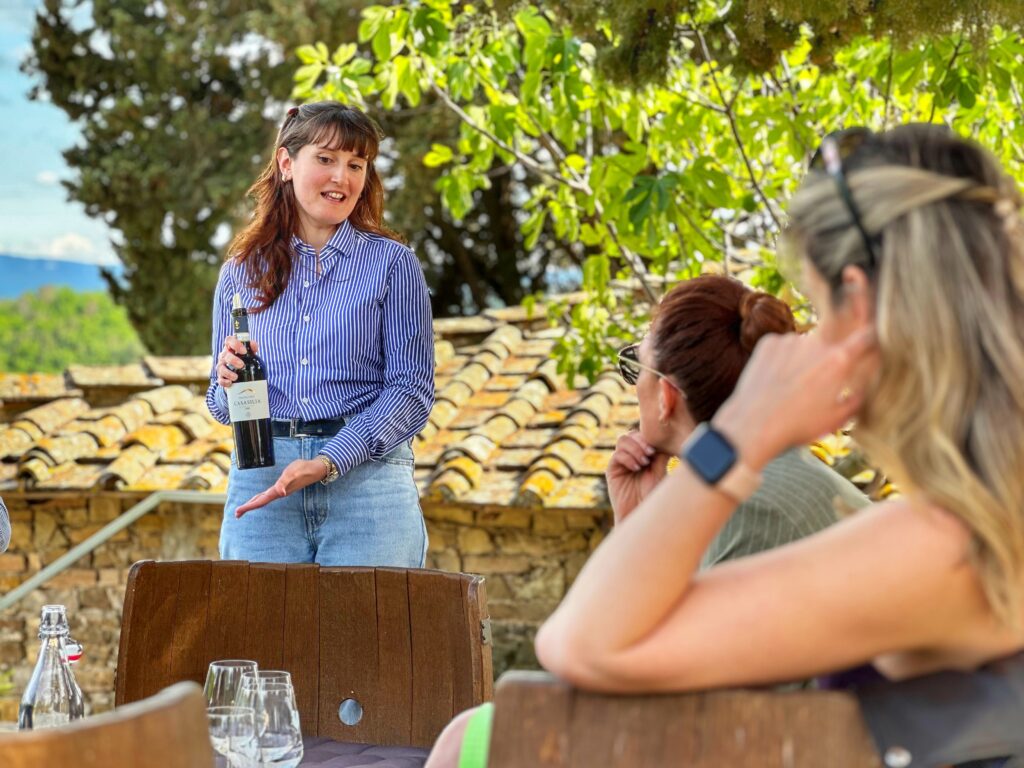
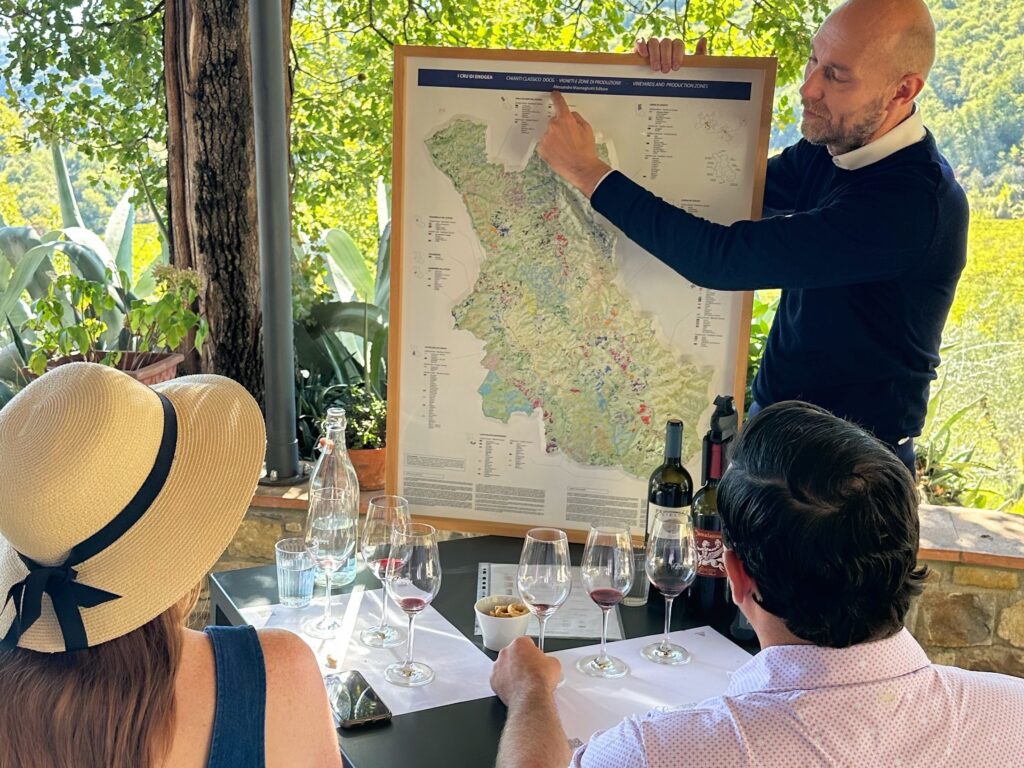
Visiting the Chianti Classico territory connects label details, grape variety, vintage, style to the reality of vineyards, cellars, and the people who craft the wine. Cellar tastings give you the chance to sample multiple vintages or different interpretations of the same wine, clarifying the nuances that make each bottle unique.
Walking among the vines, looking at the soils, visiting the aging rooms, and tasting directly with the producer makes learning immediate and memorable. For students of wine, it’s a natural extension of theory; for travelers by passion, it’s an authentic way to connect with Tuscan culture.
In this sense, the label becomes a true gateway to the territory: an invitation to slow down, taste, and listen to the stories Chianti Classico has to tell.
Step Into Chianti Classico with Us
If this guide has you itching to match label knowledge to real landscapes, join our Chianti Classico Discovery Tour. We’ll immerse you in the land of the Black Rooster with family-run, sustainable estates, stone-cool cellars, and tastings guided by a WSET-certified educator. Prefer a city day? We curate insightful wine tastings in Florence. Ready to roam? Choose a classic winery tour Chianti route or stitch Chianti into broader wine tasting tours Tuscany for a full Tuscan adventure.
When you are ready to turn labels into lived experience, we’ll map the road… and pour what matters.
Stay in Touch
📲 Follow us on Instagram and Facebook for more wine adventures, travel tips, and exclusive experiences!
See you in Tuscany! 🍷